


Panchakarma is a traditional Ayurvedic healing practice that has its roots in ancient India. It is a holistic system of detoxification and rejuvenation, which aims to balance the body, mind, and spirit by removing toxins and impurities from the body. The word “Panchakarma” can be broken down into two parts: “Pancha” means five, and “Karma” means actions or therapies. Therefore, Panchakarma involves a series of five therapeutic actions or procedures.
These five actions are:
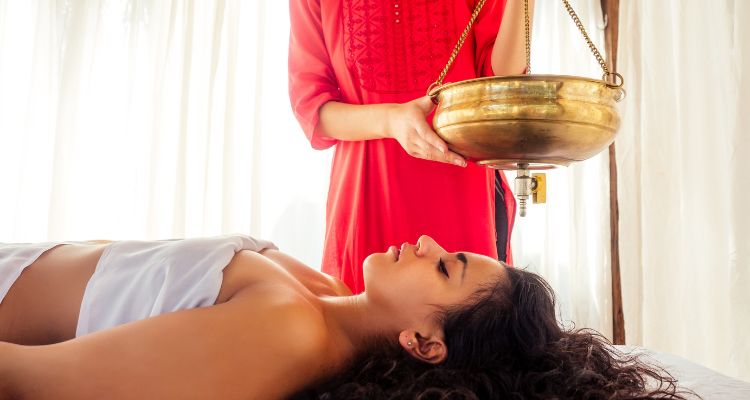
- Vamana (Therapeutic Vomiting): This is a controlled emesis therapy that helps remove excess Kapha (one of the three doshas or biological energies in Ayurveda) from the body. It is typically used to treat conditions associated with Kapha imbalance, such as asthma, allergies, and obesity.
- Virechana (Therapeutic Purgation): Virechana involves the use of herbal laxatives to cleanse the intestines and eliminate excess Pitta (another dosha) from the body. It is often used to treat conditions related to Pitta imbalance, such as liver disorders, skin diseases, and digestive issues.
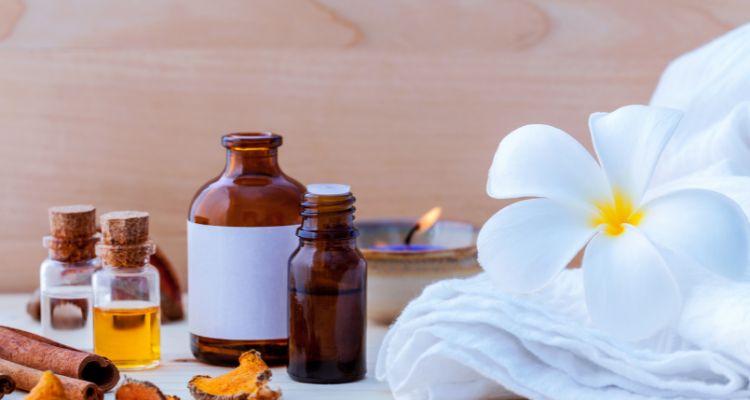
- Basti (Therapeutic Enema): Basti is an enema therapy that uses herbal oils or decoctions to remove excess Vata (the third dosha) from the colon. It is commonly used to treat conditions like constipation, lower back pain, and neurological disorders.
- Nasya (Nasal Administration): Nasya involves the administration of herbal oils or medicines through the nasal passages. It is primarily used to treat conditions related to the head and neck, such as sinusitis, headaches, and mental disorders.
- Rakta Mokshana (Bloodletting): This is a less commonly practiced Panchakarma procedure in modern times. It involves the removal of a small amount of blood from the body to eliminate impurities. It is used in cases of blood disorders and skin conditions.
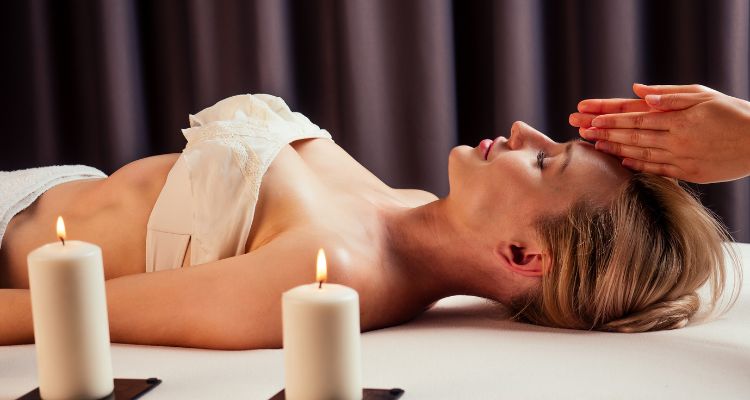
The Panchakarma process is highly individualized and begins with a consultation with an Ayurvedic practitioner who determines the specific treatments needed based on the individual’s constitution (Prakriti) and current imbalances (Vikriti). The treatments are typically performed in a specific order and are followed by a period of post-treatment care, including dietary and lifestyle recommendations.
Panchakarma is not only a detoxification process but also a means of rejuvenating the body and mind. It is often used for preventive healthcare, as well as for treating various chronic and acute health conditions. However, it should be administered by trained Ayurvedic practitioners who can assess an individual’s unique needs and provide safe and effective treatments.